
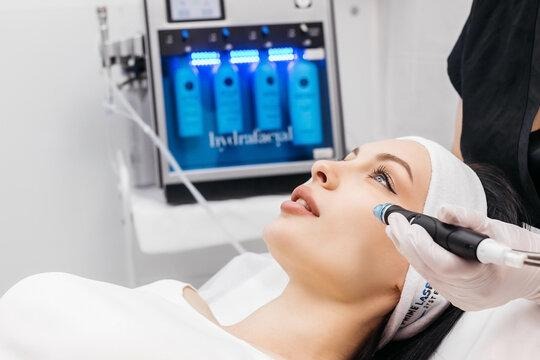
The aesthetics industry has long recognized that consumer preferences ultimately determine market leadership, regardless of clinical capabilities or marketing investments. This principle found concrete validation in September 2025 when Hydrafacial treatments earned their third consecutive Cosmopolitan Readers’ Choice Award for Best Pro Facial, Best Skin-Clearing Facial (Acne Awards), securing permanent placement in the magazine’s Hall of Fame alongside beauty industry icons.
What Reader’s Choice Awards Reveal
Unlike editorial selections or professional organization awards, reader’s choice recognition requires active consumer participation. Voters must care enough about their experience to seek out voting opportunities and submit their preferences. This level of engagement indicates satisfaction that extends beyond passive contentment to active advocacy.
The Cosmopolitan Readers’ Choice Award carries particular significance because the publication reaches a demographic—women ages 18-34—that represents key decision-makers in the professional skincare market. These consumers typically maintain active skincare routines, research treatment options thoroughly, and share experiences within their social networks. When this demographic selects a treatment three consecutive years, it signals sustained satisfaction rather than temporary enthusiasm.
The Hall of Fame designation, reserved for three-time winners, places Hydrafacial treatments in rare company. Most professional skincare treatments struggle to maintain consistent recognition year-over-year as new options emerge and consumer attention shifts. The ability to win the same category three consecutive years suggests that the treatment continues to satisfy evolving consumer expectations rather than rely on initial market momentum.
The Data Behind Consumer Loyalty
Consumer preference for Hydrafacial treatments extends well beyond award voting. Research examining treatment request patterns found that Hydrafacial treatments have become the number one client-requested skincare treatment by name. This distinction matters because most aesthetic treatments get requested by category rather than brand—clients typically ask for “facial treatments” or “skin rejuvenation” rather than specific proprietary names.
The shift from category requests to brand-specific requests indicates several factors. Consumers must have positive enough experiences that they remember the specific treatment name months or years after initial receipt. They must trust that the treatment will deliver consistent results across different providers and locations. And they must value the treatment enough to specifically seek it out rather than accept similar alternatives their provider might suggest.
The consumer loyalty metrics provide additional context. According to industry research, 92% of consumers who have received Hydrafacial treatments indicate they would switch estheticians if their provider did not offer Hydrafacial treatments. This willingness to change providers represents remarkable brand loyalty in an industry where convenience, personal relationships, and established trust typically outweigh specific treatment preferences.
Understanding the 1-in-5 Statistic
Recent research data reveals that 1-in-5 consumers in the aesthetics and professional beauty category have received a Hydrafacial treatment. This 20% penetration rate represents significant market share in a category with dozens of professional treatment options competing for consumer attention and spending.
The penetration rate gains additional meaning when considered against treatment frequency. Unlike daily skincare products or makeup, professional treatments require scheduled appointments, dedicated time, and meaningful financial investment. The fact that 20% of category consumers have tried Hydrafacial treatments suggests that awareness and accessibility have reached levels where the treatment represents a mainstream consideration rather than a niche offering.
The geographic distribution of this penetration rate also matters. With over five million Hydrafacial treatments delivered globally in 2025, the treatment has established presence across diverse markets with different aesthetic preferences and competitive landscapes. This geographic breadth helps explain the consistent award recognition—the treatment delivers results that satisfy consumers across different cultures and climates.
The Brand Awareness Factor
Consumer choice requires consumer awareness, and Hydrafacial treatments have achieved brand awareness levels that few professional skincare options match. Research shows 38% brand awareness among consumers of aesthetic and professional beauty categories. In a market segment where most treatments remain unknown outside professional circles, this awareness level creates significant competitive advantage.
The social media metrics support the awareness data. With 1.2 million global followers across Instagram, Facebook, TikTok, and LinkedIn, Hydrafacial has built a digital community that actively engages with treatment content. This organic following represents consumers and providers who choose to receive updates and information about the treatment—a level of voluntary engagement that traditional advertising cannot purchase.
The online conversation analysis provides further context. Industry research comparing seven aesthetic brands—including established names like BOTOX Cosmetic, JUVÉDERM, and CoolSculpting—found that Hydrafacial treatments generate more digital discussion than any of these alternatives. This conversation volume, which translated to $16.4 million in earned media value through August 2025, indicates active consumer dialogue about treatment experiences and results.
Clinical Foundation of Consumer Satisfaction
Consumer preference requires actual results that meet or exceed expectations. The clinical data supporting Hydrafacial treatments helps explain the sustained consumer recognition. The treatment has achieved a 96% RealSelf “Worth It” rating, meaning that 96% of consumers who received the treatment indicate they would undergo the procedure again.
The Net Promoter Score of 55 provides another satisfaction metric. This measurement assesses the likelihood that recipients will recommend the treatment to others, with scores above 50 considered excellent across most industries. In the aesthetics space, where treatment experiences vary significantly and consumer expectations run high, this score indicates consistent delivery of outcomes that satisfy demanding criteria.
The treatment personalization capabilities contribute to broad consumer satisfaction. Because Hydrafacial treatments can be customized to address different skin concerns across all ages, genders, skin tones, and skin types, the treatment can satisfy diverse consumer needs. This versatility helps explain why consumer satisfaction remains high across different demographic segments.
The Switching Threshold
The statistic that 92% of Hydrafacial consumers would switch providers if their esthetician stopped offering the treatment reveals something fundamental about consumer priorities. In most service categories, consumers demonstrate strong loyalty to individual providers—they prefer maintaining established relationships over accessing specific services or brands.
The willingness to switch providers suggests that consumers value the specific attributes of Hydrafacial treatments more highly than they value provider continuity. This preference indicates confidence that the treatment will deliver consistent results regardless of where they receive it, which in turn suggests strong standardization and quality control across different locations and providers.
For professional estheticians and medspa owners, this consumer willingness to switch for treatment access creates both opportunity and risk. Providers who offer Hydrafacial treatments benefit from consumer demand that extends beyond their individual reputations. Providers who don’t offer the treatment risk losing clients who prioritize treatment access over provider relationships.
Market Impact of Consumer Recognition
The Cosmopolitan Hall of Fame achievement and broader consumer recognition create tangible market effects. When consumers request treatments by name, it reduces the education and conversion burden on providers. Rather than explaining treatment mechanisms and building confidence in unfamiliar procedures, providers can leverage existing consumer awareness and trust.
The award recognition provides additional validation that providers can reference in consultations. Third-party recognition from respected publications carries more credibility than provider claims alone, particularly with consumers who are evaluating treatments for the first time. The Hall of Fame status offers a shorthand signal of quality and satisfaction that helps streamline treatment discussions.
The consumer loyalty metrics also influence provider treatment portfolios. When deciding which equipment and services to offer, providers naturally gravitate toward options that demonstrate strong consumer demand and satisfaction. The request-by-name phenomenon and high switching percentages signal robust consumer preference that can justify significant equipment investments.
Looking at Sustained Consumer Preference
The third consecutive Cosmopolitan award win suggests that consumer satisfaction hasn’t eroded despite market maturation. As treatments become more familiar and alternatives emerge, consumer enthusiasm often declines. The fact that Hydrafacial treatments continue to win reader’s choice recognition indicates ongoing delivery of results that meet elevated expectations.
This sustained preference may reflect the treatment’s ability to evolve alongside consumer needs. The award recognition across different categories—from hydrating treatments to anti-aging solutions to scalp health—suggests that the technology platform can adapt to address emerging consumer concerns rather than remain static in its applications.
The Hall of Fame achievement ultimately represents validation from the stakeholder group that matters most in the aesthetics industry: the consumers who receive treatments, experience results, and choose whether to return for additional sessions. When these individuals consistently select Hydrafacial treatments over numerous alternatives, it confirms that the treatment delivers on the fundamental promises that drive consumer satisfaction in professional skincare: visible results, comfortable experiences, and reliable outcomes across providers and locations.